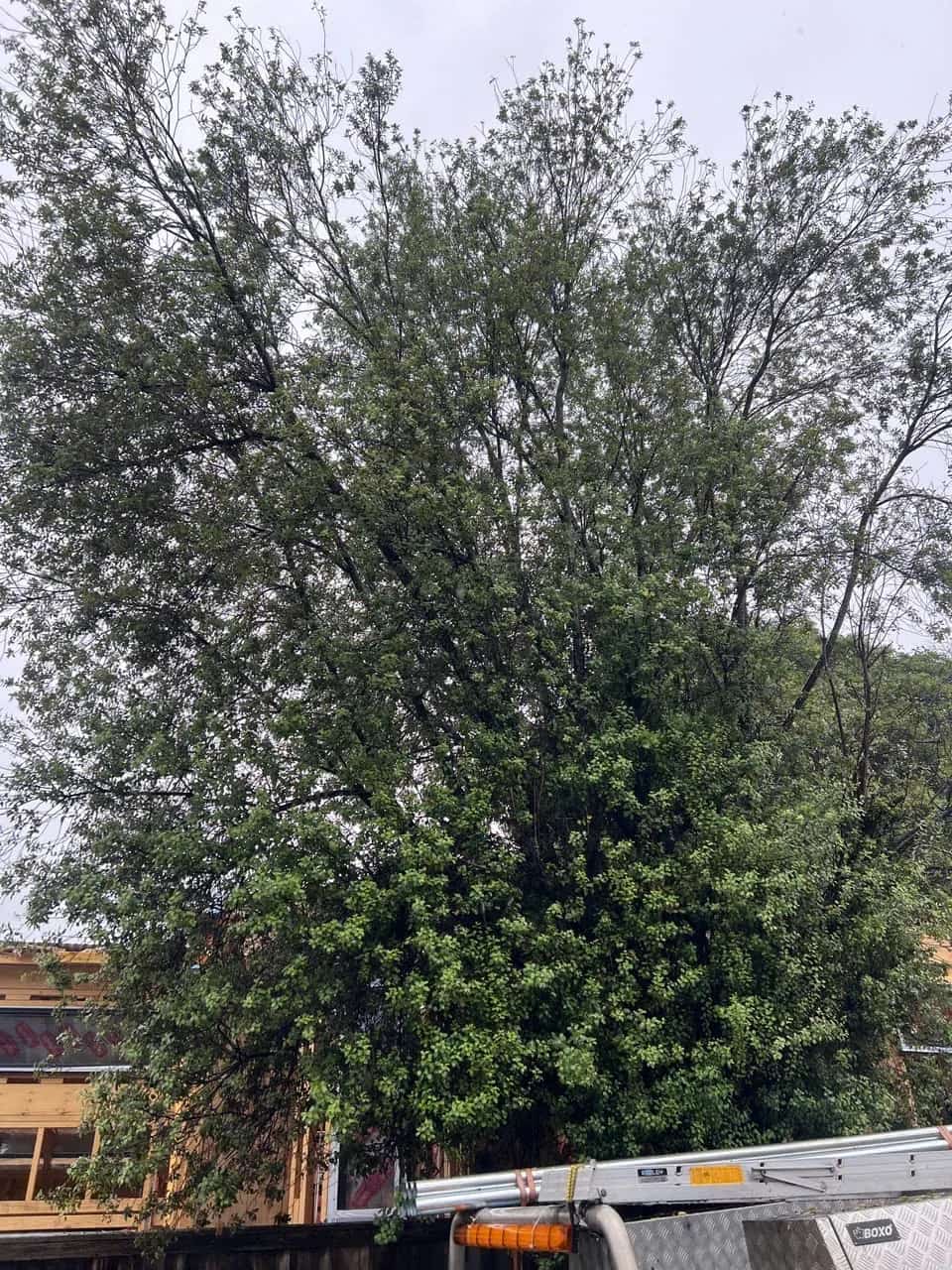
Often no, but don't assume. The statewide canopy tree rule (Clause 52.37) exempts dead trees, and Whitehorse's landscape and vegetation overlays exempt trees that are dead or dying "to the satisfaction of Council". But Boroondara's local law requires a permit to remove a canopy tree even if it's dead, and on lots over 4,000 m² removing dead native vegetation can still need a permit.
Where a dead tree still needs a permit
- Boroondara canopy trees. Any private tree with a trunk of 110 cm around or more at 1.4 m high (or 150 cm at ground level) needs a permit to remove, "even when they are dead or are recognised weed species". See our Boroondara guide.
- Boroondara significant trees. Trees on the significant tree register need a permit to prune, remove or work in their Tree Protection Zone, even when dead.
- Large lots (over 0.4 ha). Removing native vegetation, including dead vegetation, generally needs a permit under Clause 52.17.
- Whitehorse Environmental Significance Overlay. A dead tree is only exempt if its trunk is under 40 cm in diameter at 1.3 m high.
Where dead trees are usually exempt
- Clause 52.37 canopy trees, anywhere in Victoria: a dead canopy tree is exempt from this clause.
- Whitehorse Significant Landscape and Vegetation Protection Overlays: trees that are dead or dying to the satisfaction of council don't need a planning permit.
- Manningham: dead trees are on the list of Clause 52.37 exemptions, though other overlays may still apply.
"To the satisfaction of Council" matters. It means council has to agree the tree is dead, not just you. If there's any doubt, get written confirmation before the tree comes down. Once it's gone, it's very hard to prove what condition it was in.
What counts as dead, dying or dangerous
Whitehorse publishes the definitions its arborists use, and they're a good guide everywhere:
| Term | Council definition |
|---|---|
| Dead | The tree's biological function has stopped and there's no live tissue. |
| Dying | In advanced decline, can't be kept by reasonable management, and has a useful life expectancy under 3 years. |
| Dangerous | Its condition presents an imminent danger of causing damage that can't be fixed by arboricultural management. |
A tree that has dropped its leaves in winter, or lost part of its canopy, isn't dead. Deciduous trees, and some gums after drought, can look dead and recover.
Keep evidence before it comes down
- Take dated photos of the whole tree, the canopy and the trunk, from a few angles.
- Note signs of death: no new leaves in the growing season, bark falling away, brittle twigs that snap dry, fungal growth at the base.
- If the tree is large or protected, get an arborist's assessment in writing.
- Check with council and keep their reply.
If the tree is dangerous right now
If a tree or branch has fallen during a storm, call the SES on 132 500. If a council tree is causing a dangerous situation in Boroondara, council takes reports any time on (03) 9278 4444.
For a private tree that's dangerous, Boroondara can approve urgent pruning or removal within 24 hours if an arborist recommends it: call (03) 9278 4888 and tell them it's urgent. Our emergency tree service answers 24/7 and can make the tree safe while the paperwork is sorted.
Why dead trees need care to remove
Dead wood is brittle and unpredictable. Limbs can snap under a climber's weight or when a rope takes the load, so we often lower dead trees in smaller sections, or rig from a neighbouring healthy tree. It's one reason a dead tree can take as long as a healthy one. See tree removal for how we work.
Sources
Rules change. Always confirm with your council before work starts. We checked these sources on 6 November 2026: